
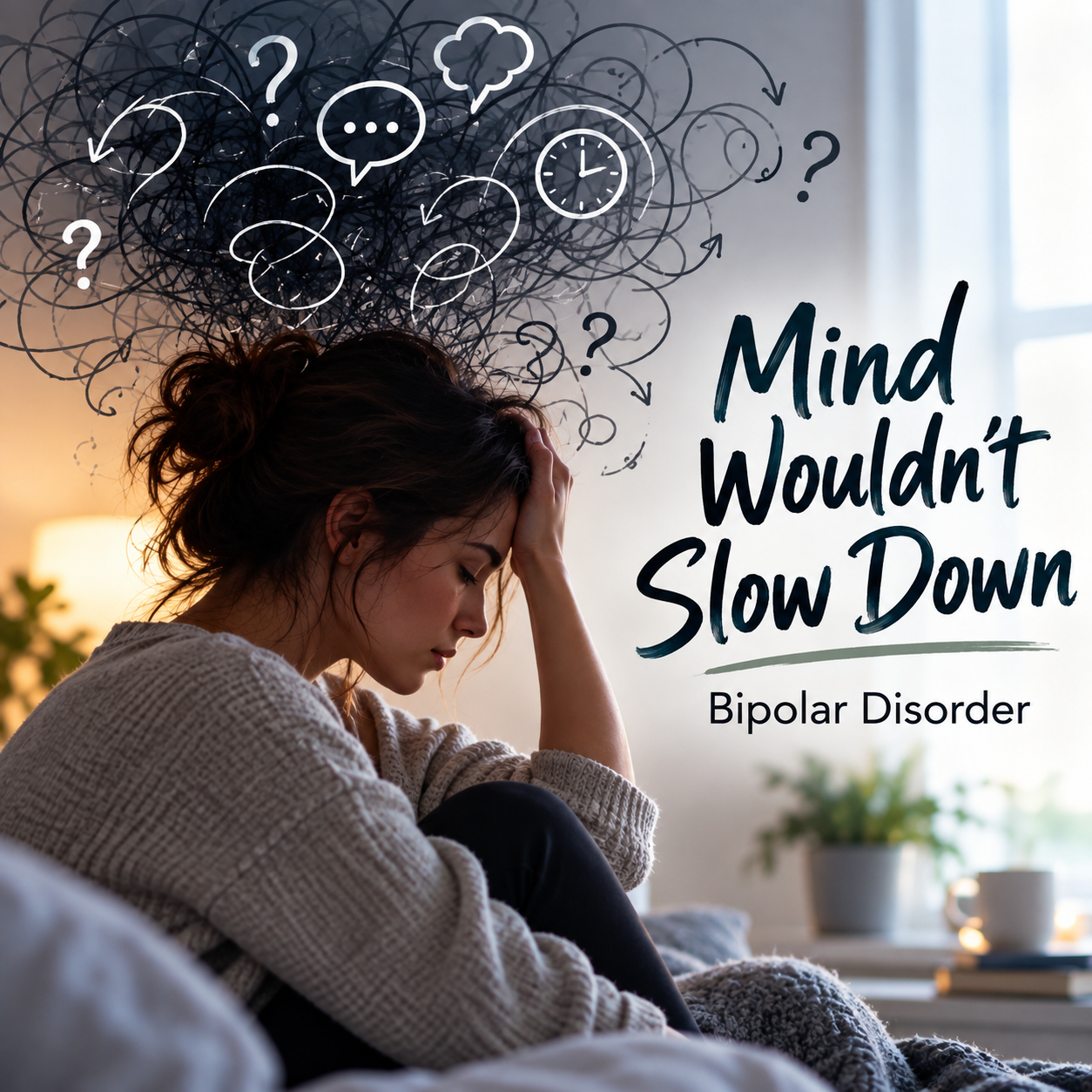
When My Mind Wouldnt Slow Down: My First Experience With Bipolar Disorder

Why I Rejected Medications for Bipolar Disorder at First
Why I Rejected Medication for Bipolar Disorder
For a long time, I believed that refusing medication meant I could refuse the reality of bipolar disorder. I was ashamed of the diagnosis and afraid that people would judge me or see the illness before they saw me. So, I avoided doctors, ignored prescriptions, and convinced myself that if I wasn't being treated, maybe I wasn't really sick.
But pretending didn't make bipolar disorder disappear. Instead, my symptoms became harder to manage, and even simple everyday tasks began to feel overwhelming.
Eventually, I realized that accepting help wasn't the same as giving up. I had to stop seeing treatment as proof that something was wrong with me and begin seeing it as a way of caring for myself.
Acceptance didn't happen overnight. It has been a process. But one lesson has stayed with me: rejecting my diagnosis didn't make bipolar disorder disappear—it only made it harder for me to get the help I needed.
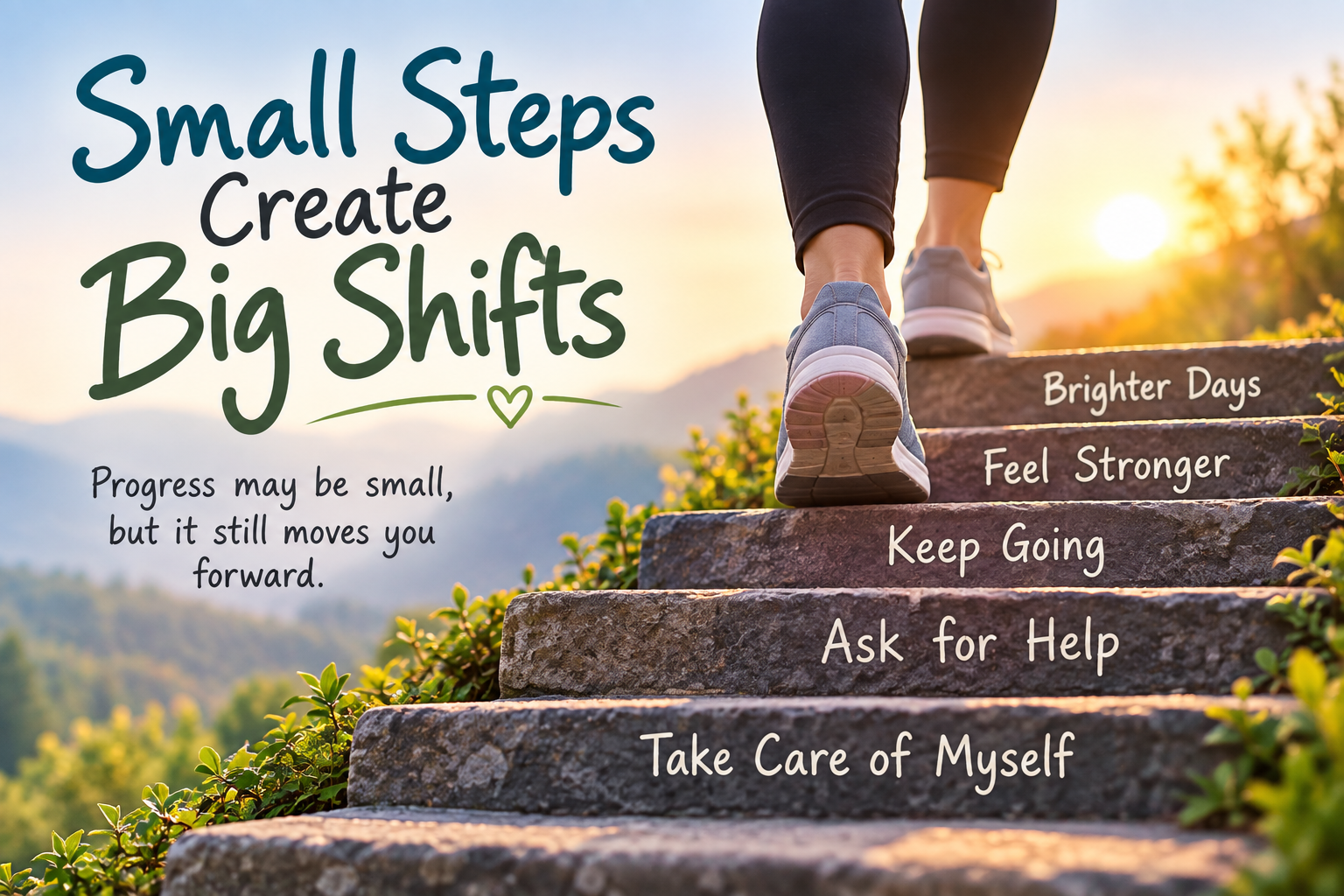
Small Steps Create Big Shifts
It ASmall Steps Create Big Shifts
May 28
Small steps may not feel important in the moment, but over time, they can make a meaningful difference.
Getting out of bed, taking a shower, keeping a doctor's appointment, taking medication as prescribed, or simply admitting that you're having a difficult day are all forms of progress.
You don't have to change everything at once. Each small choice to care for yourself can help you move toward greater stability, understanding, and acceptance.
Over time, fear can become understanding, shame can begin to fade, and asking for help can become a sign of strength rather than something to hide.
Sometimes the biggest changes in our lives begin with the smallest steps forward.
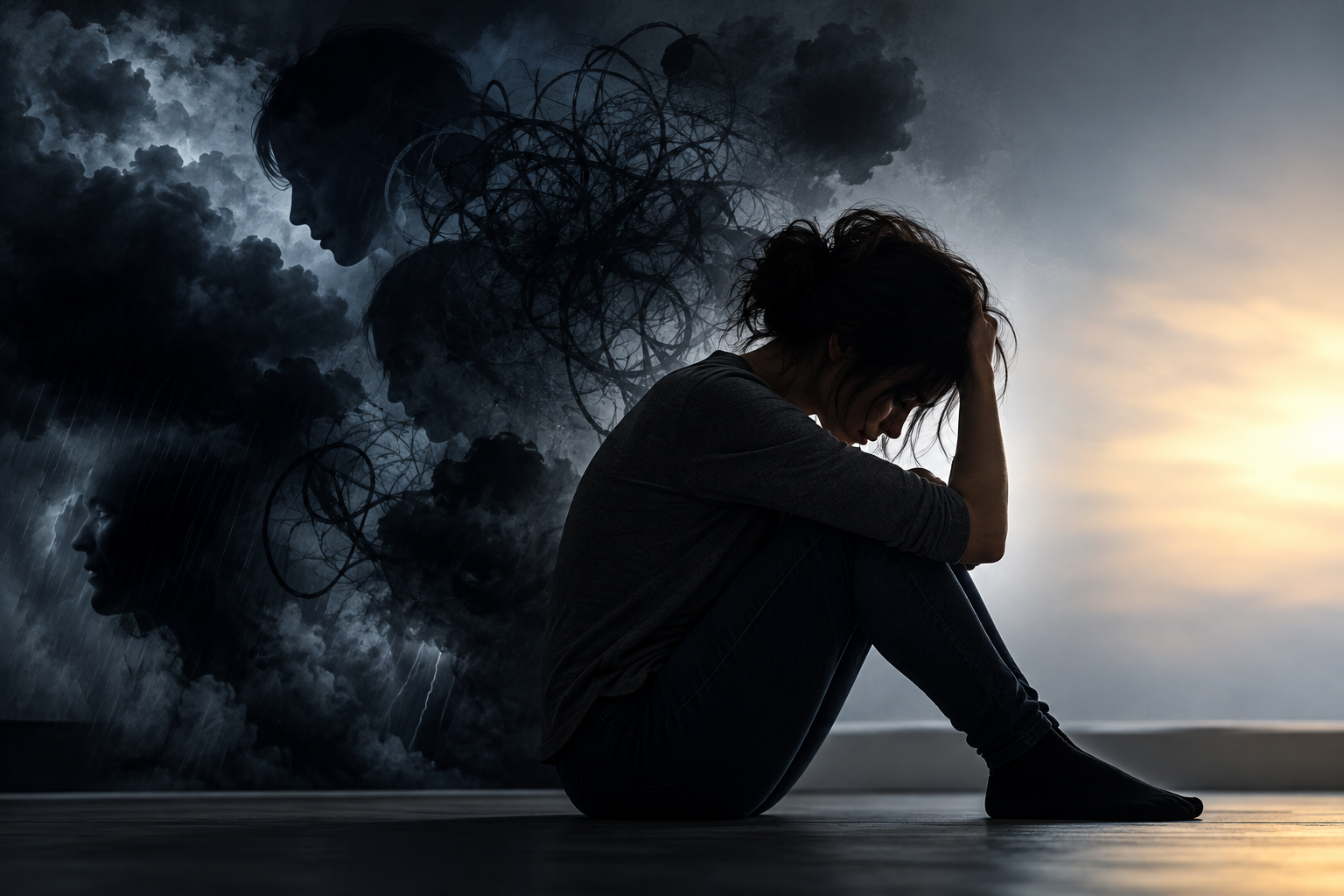
The Darkness of Bipolar Disorder
The Darkness of Bipolar Disorder
Living with bipolar disorder has taken me to some very dark places. At times, I felt disconnected from the world around me, as though I were watching life continue while I struggled just to make it through the day.
My thoughts could become overwhelming, and the person I knew myself to be seemed harder to find. Ordinary responsibilities required more energy than I had, while fear and uncertainty made it difficult to imagine feeling better.
Eventually, I learned that I didn't have to find my way through everything by myself. Accepting support and taking care of my mental health helped me begin moving forward.
The darkness is part of my experience, but it is not all of who I am. Even during my lowest moments, I have learned that another day can bring a different light.

Finding Freedom Through Acceptance
It All Begins Here